“Klein und fein” – a great ambition on a human scale.
The Murten Light Festival is a cultural project deeply rooted in its region. Every year, artists, schools, institutions, businesses, associations, residents, and enthusiasts come together to transform Murten into a space for creation, meeting, and sharing.
Our motto, “klein und fein,” reflects our philosophy: achieving a lot with a human-sized structure, prioritizing quality over excess, and creating a close relationship between artists, participants, and the public.
We are convinced that a festival is not measured solely by the number of visitors it welcomes, but also by the encounters it creates, the talents it brings to light, the links it forges with its territory, and the place it gives to everyone.
Light as a common language
Light is at the heart of our artistic identity. Accessible, universal, and capable of transcending language barriers, it transforms public space and invites everyone to take a new look at Murten. At the intersection of art, technology, and heritage, it becomes a common language that connects artists, residents, schools, and visitors.
This is why our commitment is based on three dimensions: bringing our region to life, transmitting and fostering culture, and making it accessible to as many people as possible.
01 — Bringing a region to life
Local roots are at the heart of our identity. Each edition is the result of collective work involving many regional stakeholders: artists, schools, institutions, associations, businesses, artisans, volunteers, and residents.
This collaboration gives the Festival a special dimension: the region’s expertise and energy do not just revolve around the Festival; they participate directly in its creation.
One region, two languages, a culture that unites
Located at the meeting point of French and German speakers, Murten is a territory where bilingualism is part of everyday life. The Festival aims to reflect this richness by striving to translate all of its content, while allowing its teams to experience this bilingualism daily in a joyful French-German hubbub.
The Festival turns this into a strength through its bilingualism project: every year, French- and German-speaking primary school classes from the region meet to imagine and create a light installation together.
Beyond the final work, this approach allows children to collaborate, exchange, and create together across the language barrier.
A dynamic that benefits the entire region
The Festival also contributes to local economic activity by relying on many regional businesses, service providers, and skills. Local shops, hotels, and restaurants are also fully involved in this dynamic: through their hospitality, activity, and presence, they help bring Murten to life and support the festival experience.
Thus, behind the lights and installations, an entire local ecosystem is mobilized to bring the event to life and make the region shine.
02 — Transmitting, creating, and fostering talent
Cultural outreach plays an essential role in our approach. We want the public not just to be spectators, but to be able to understand, experiment, create, and take part in the artistic project.
This is why we develop collaborations with regional schools and institutions, giving young people the opportunity to discover creative professions and participate concretely in a professional cultural project.
From the classroom to the official program
Several classes from the region contribute to the creation of installations each year. Some institutions go even further by designing their own works.
Students from the Domdidier secondary school, through a dedicated elective, as well as students from eikon (School of Art and Visual Communication), imagine and create artistic projects that are then integrated into the Festival’s official program.
For these young creators, the Festival thus becomes a true testing ground: a place where an idea born in school can come to life in the public space and meet a real audience.
Providing a space for Swiss creation
The Festival aims to contribute to the development of light creation in Switzerland and offer a space for experimentation at the intersection of art, technology, and public space.
It also seeks to support the vitality of the Swiss art scene by giving a place to established artists, local creators, and emerging talents, while encouraging their meeting with the public and allowing visitors to discover varied and contemporary artistic universes.
03 — A culture open to all
Magic only makes sense when it can be shared.
We want the Festival to be a cultural event accessible to as many people as possible, regardless of age, situation, or ability.
Our accessibility approach includes guided tours for the blind and visually impaired, facilities for people with reduced mobility, an Easy-to-Read (FALC) guide, and ticket prices that allow audiences with limited means to participate in the Festival.
But for us, accessibility is not limited to practical arrangements.
It is part of a broader vision of cultural outreach: creating the conditions so that everyone can understand, discover, participate, and live a cultural experience in their own way.
Concrete measures and projects
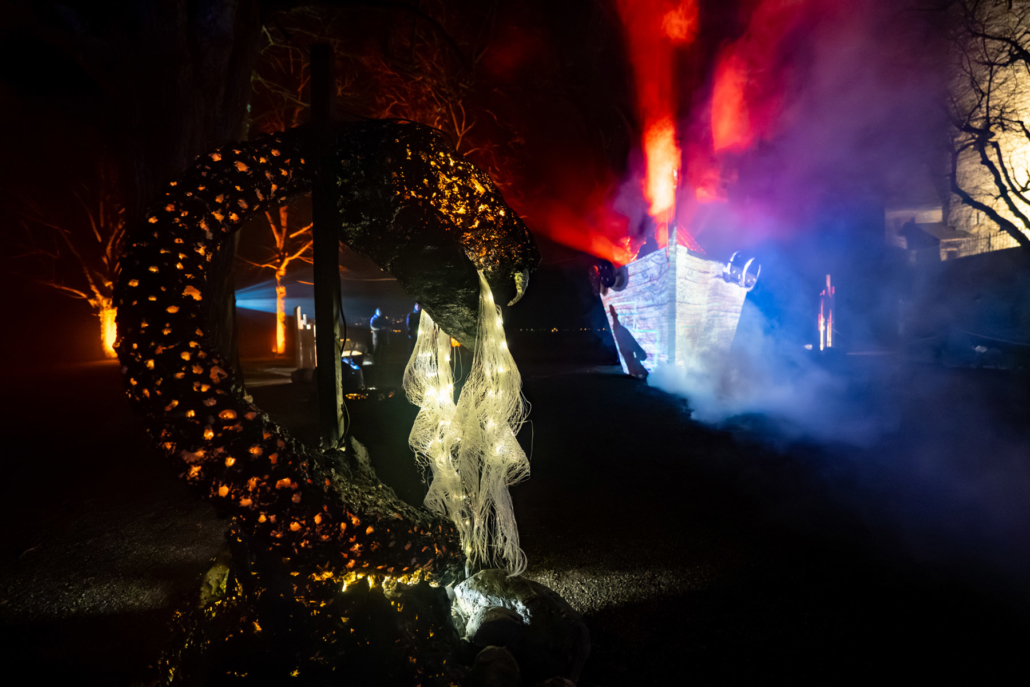
Regional schools and institutions
Every year, several schools and institutions in the region take part in the Festival through artistic creation projects. These include eikon, HEIA-Fr, the Domdidier secondary school, and the St-Camille Institute. These collaborations allow pupils, students, and residents to bring their projects to life in the public space.
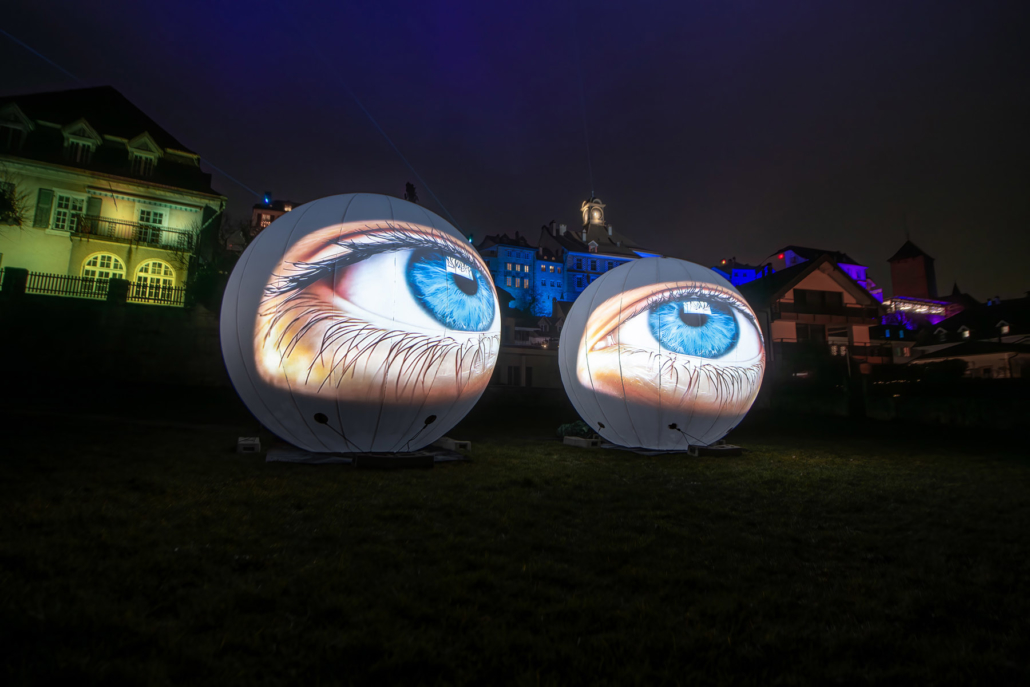
Visual impairment
Specific guided tours allow blind and visually impaired people to discover the Festival in adapted conditions. Thanks to outreach specially designed for them, these tours encourage sensory discovery and offer everyone the opportunity to fully live the Festival experience.
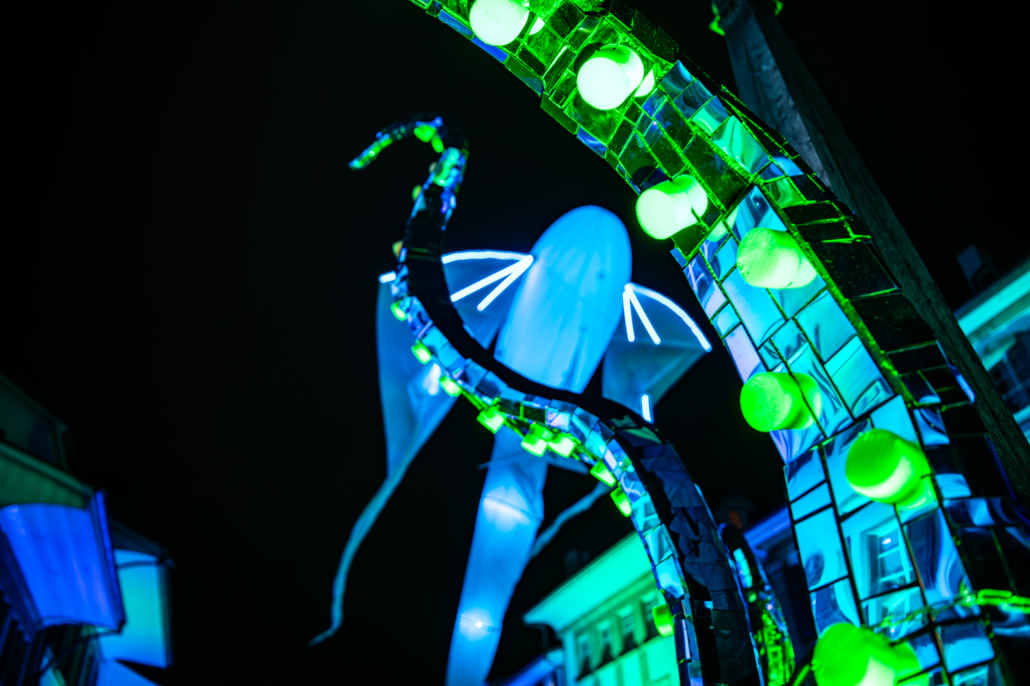
Specialized foundations
The Festival collaborates with several specialized foundations in the region, notably Applico and VAM. These partnerships highlight different skills, encourage the participation of people with disabilities or those seeking employment, and create exchanges that go beyond the Festival.
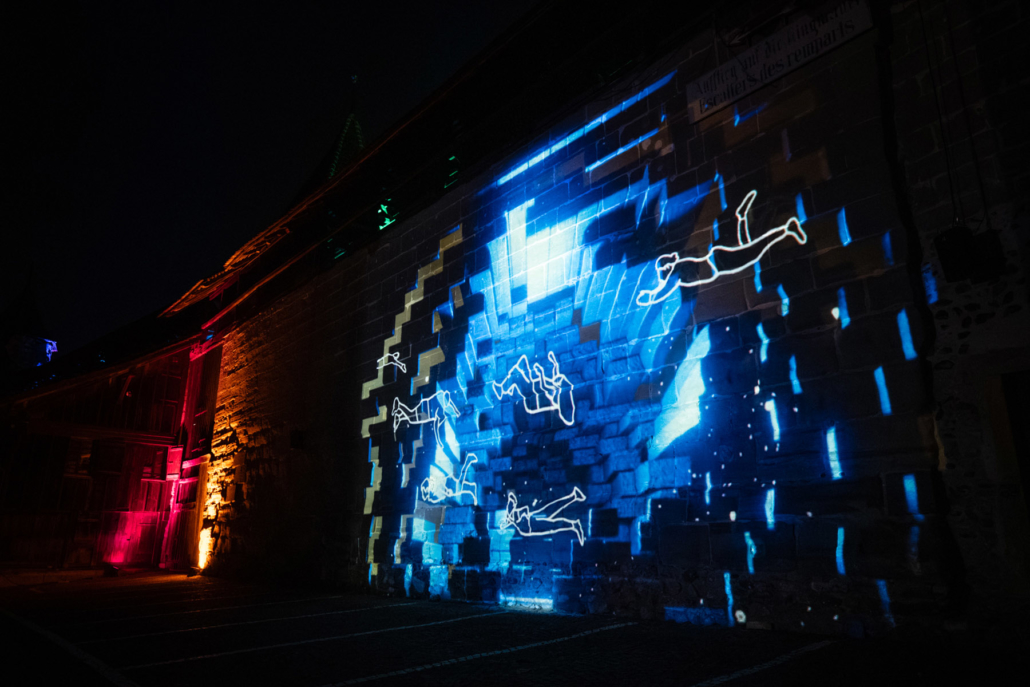
Bilingualism
Since 2019, French- and German-speaking classes from the region have collaborated each year with a professional artist on a shared light installation. This project allows students to create together, share their ideas, and overcome the language barrier through a collective artistic experience.
Decoration group
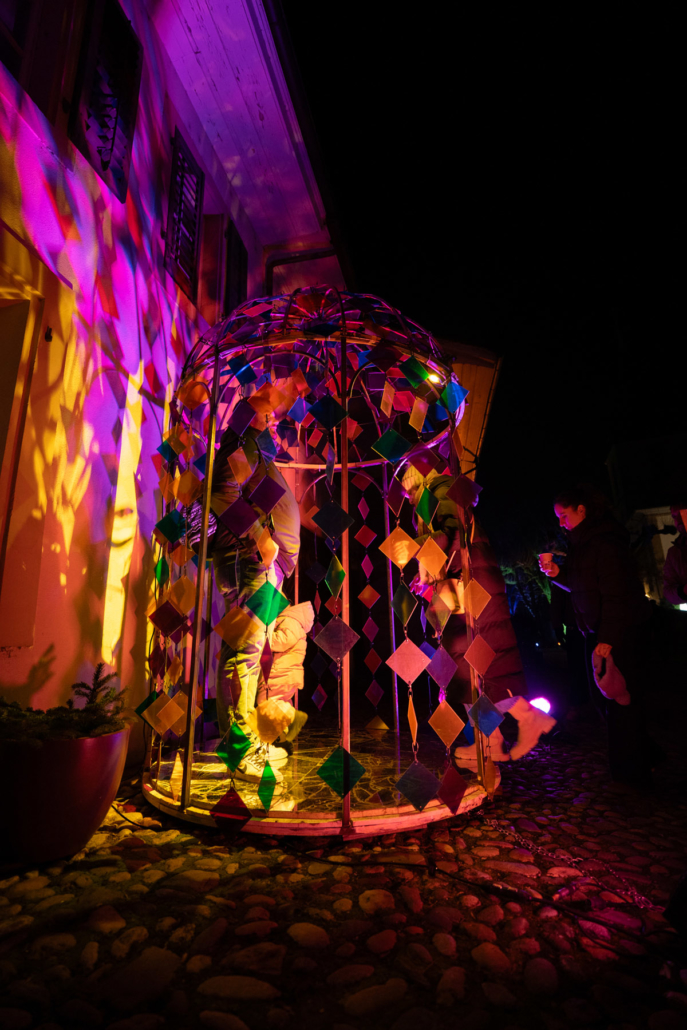
Since 2022, a collective of Murten residents passionate about light, accompanied by professionals, has been imagining, manufacturing, and installing decorative elements. These creations transform the alleys into a magical and immersive universe, inviting visitors to dive even deeper into the Festival’s magical atmosphere.
Easy-to-Read Guide (FALC)
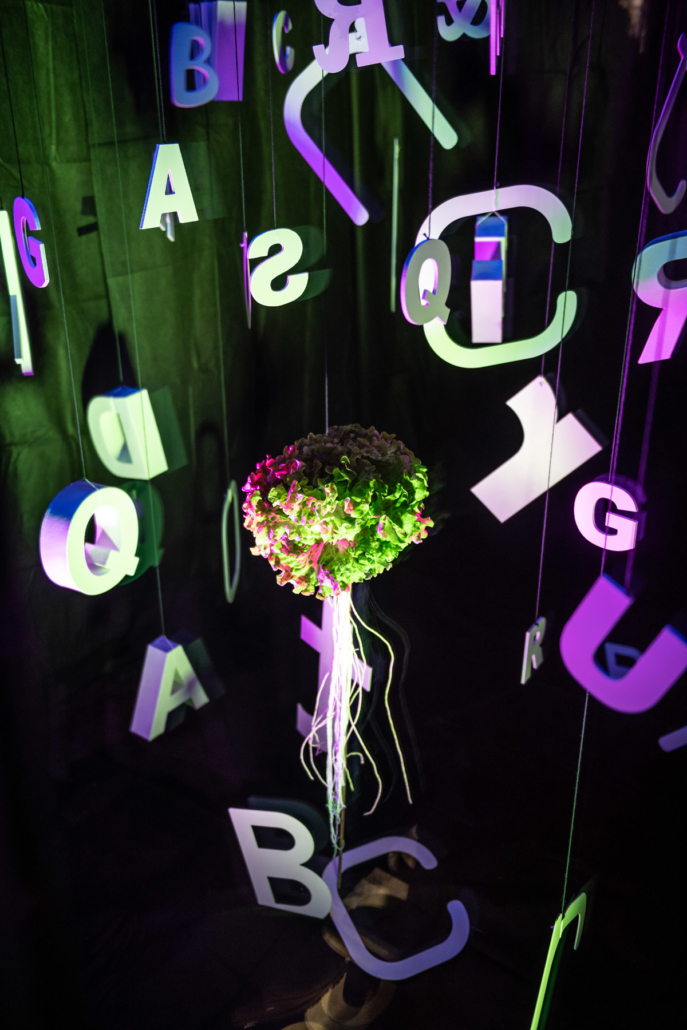
An “Easy-to-Read and Understand” guide allows everyone to prepare for their visit independently. Thanks to simplified language, a clear presentation, and pictograms, it facilitates access to essential information and makes the Festival more accessible to all.
Local businesses
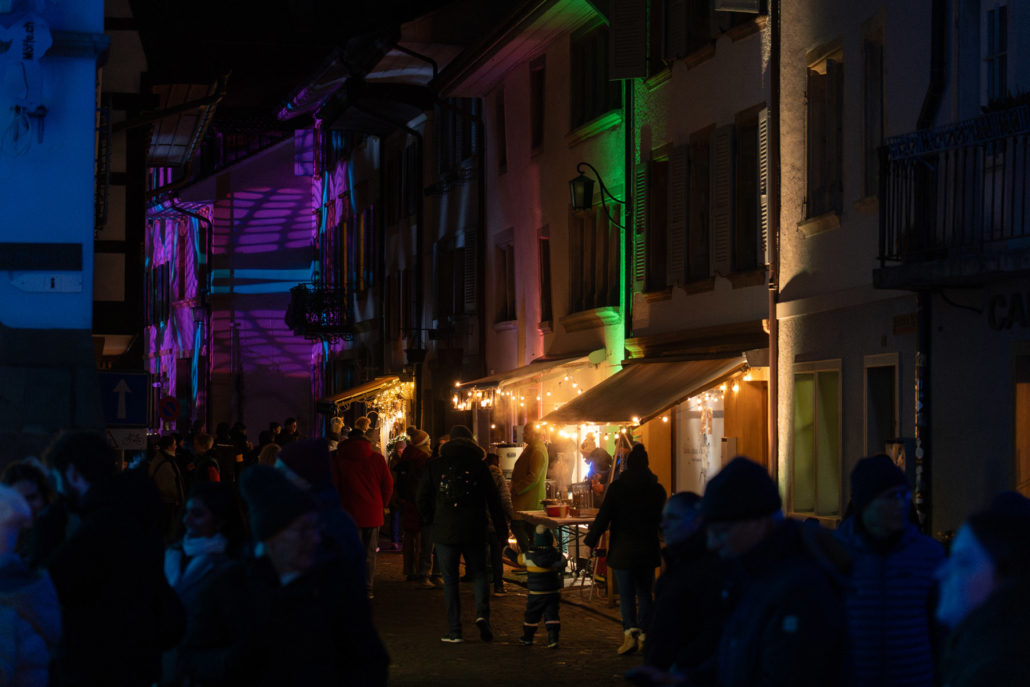
The Festival pays special attention to regional businesses, particularly those in the food and beverage sector. All outdoor stands are run by local food vendors; no outside providers are accepted. This approach prioritizes local shops and supports the local economy.
Accessible rates
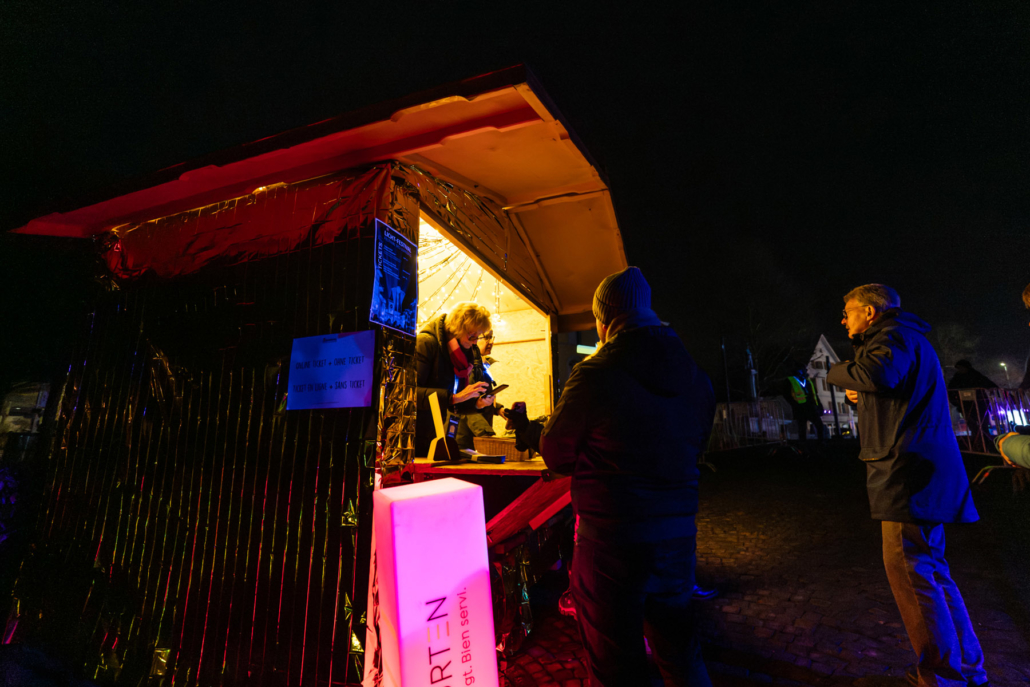
The Festival aims to make culture accessible to as many people as possible. Holders of a Caritas Culture Card benefit from a preferential rate at the entrance. Admission is also free for one companion of each person with a disability, to make it easier for them to visit the festival.